




Why Do Some People Grind Their Teeth at Night?
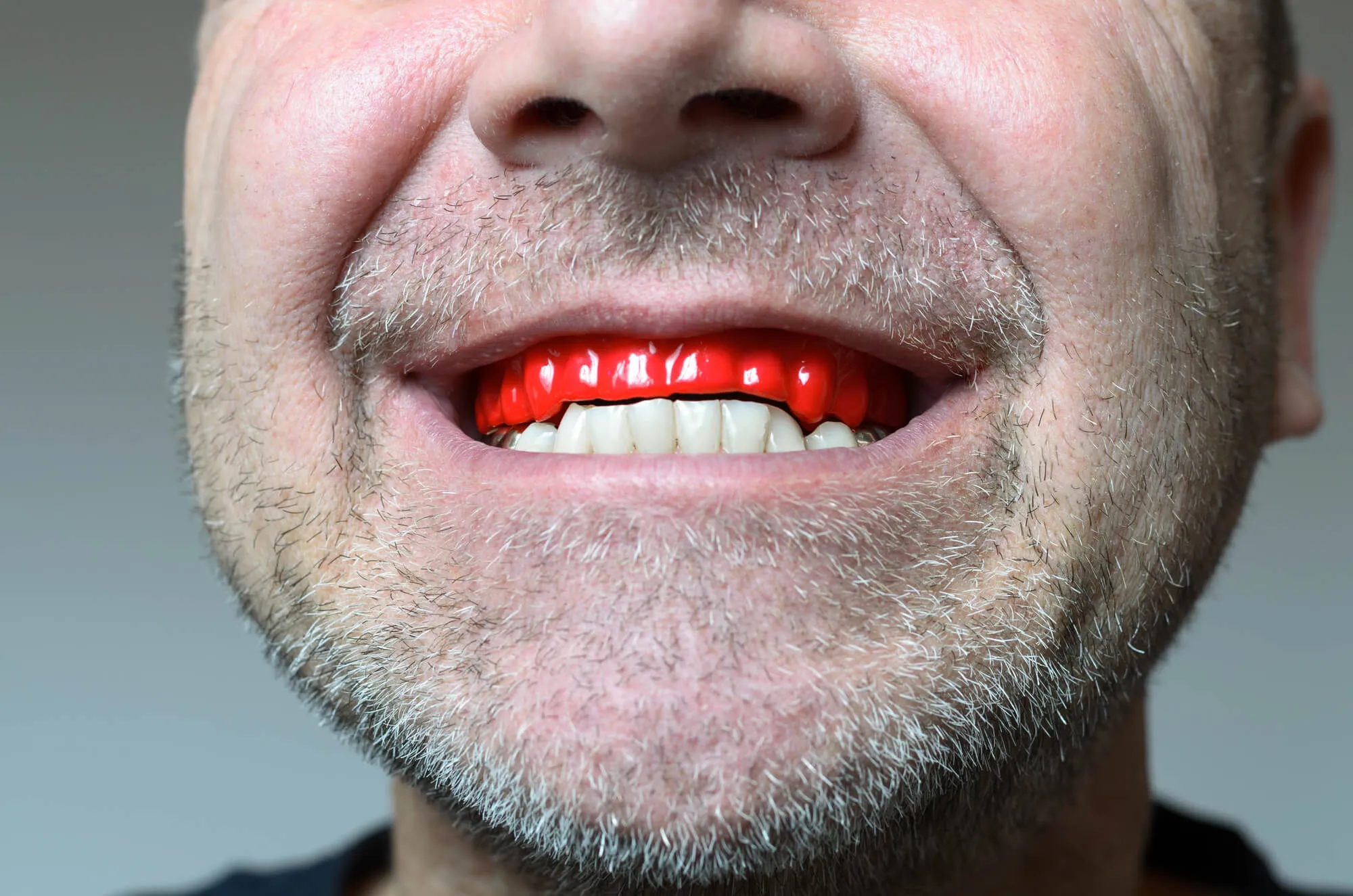
You wake up feeling like you barely slept, yet your jaw feels sore, and your teeth seem unusually sensitive. Maybe your partner has mentioned hearing a grinding noise while you sleep, or your dentist has noticed signs of wear during a routine exam. Teeth grinding often happens without you realizing it, which can make the cause difficult to identify. Learning why it happens and how night guards in Blue Bell may help can protect your smile from unnecessary wear.
Why Teeth Grinding Happens During Sleep
Teeth grinding, also called bruxism, can occur for several reasons. Some people experience it occasionally, while others grind their teeth almost every night. Identifying the underlying cause helps your dentist recommend the most appropriate way to protect your teeth.
Stress and Tension
Daily stress is one of the most common factors associated with nighttime teeth grinding. Emotional tension may cause the jaw muscles to tighten during sleep, even when you are unaware of it. Although stress is not the only cause, it is often one piece of the puzzle.
Bite Alignment
The way your upper and lower teeth come together can also contribute to grinding. If your bite places uneven pressure on certain teeth, your jaw muscles may work harder during sleep. A dental evaluation can determine whether your bite is contributing to the problem.
Sleep-Related Factors
Bruxism has also been linked to certain sleep disturbances. Some people grind their teeth during brief periods of interrupted sleep without realizing it. Because this occurs while you are asleep, the condition may go unnoticed until symptoms appear.
Lifestyle Habits
Certain habits may increase the likelihood of nighttime grinding for some people. These may include:
- Drinking large amounts of caffeine, especially later in the day
- Tobacco use
- Alcohol consumption before bedtime
- Poor sleep habits that affect sleep quality
These factors do not cause bruxism in every person, though they may contribute in some situations.
How Can a Night Guard Help?
A custom night guard creates a protective barrier between your upper and lower teeth while you sleep. Although it does not cure bruxism, it helps reduce pressure directly on the teeth and may limit further wear from grinding or clenching.
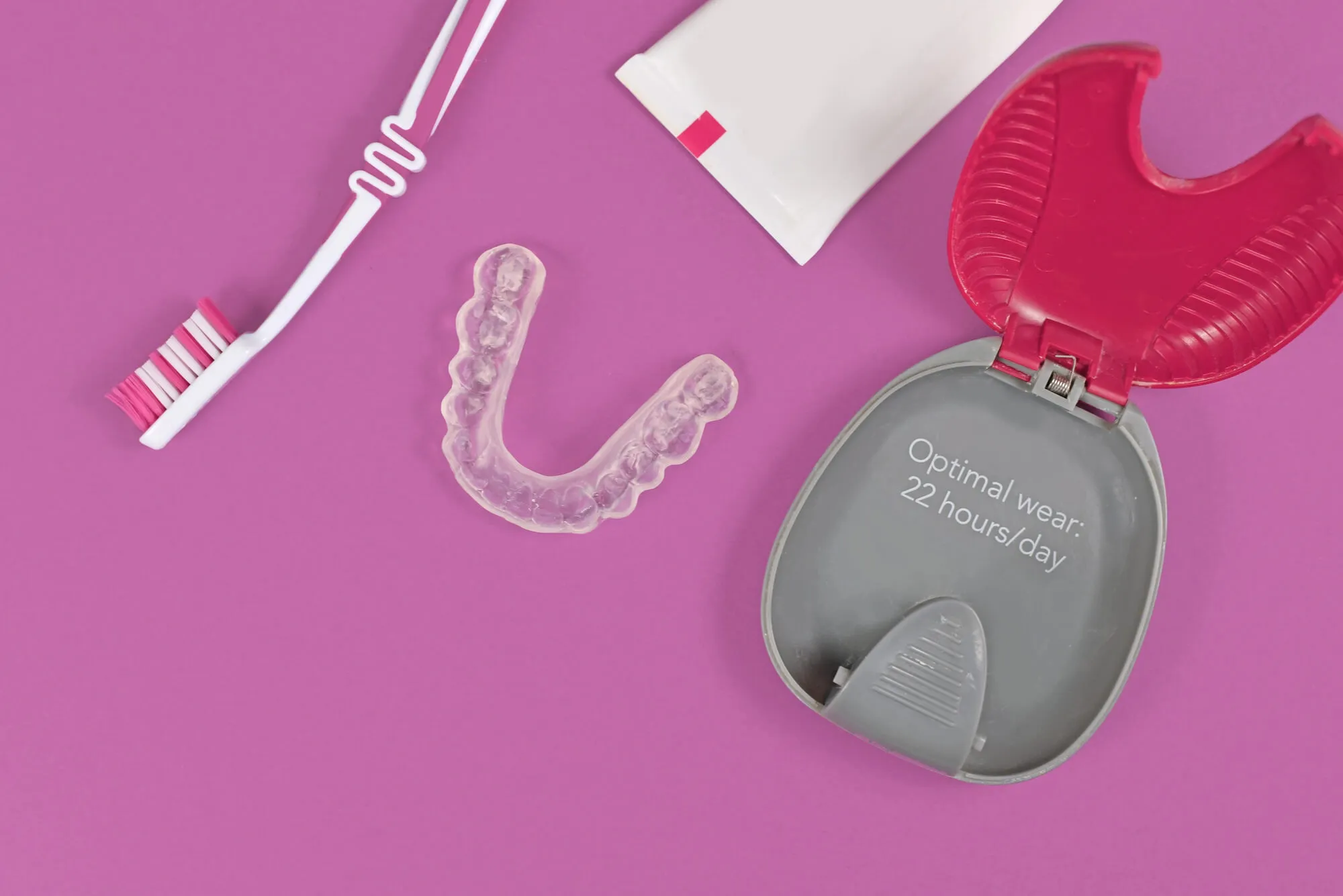
Unlike over-the-counter products, a custom night guard is made to fit your teeth comfortably. A properly fitted appliance stays securely in place, supports a more even bite, and is designed specifically for your smile.
What Happens If Teeth Grinding Goes Untreated?
Left unaddressed, nighttime teeth grinding tends to worsen rather than improve. The repeated pressure can gradually wear down enamel, leading to teeth that look flatter, shorter, or more sensitive to hot and cold over time. In more advanced cases, grinding can cause teeth to chip or crack, and the added strain on the jaw joint can contribute to soreness, popping, or clicking when you chew or speak.
Some patients also develop tension headaches or facial pain that they don't immediately connect to their sleep habits. Because the damage builds slowly, many people don't realize how much wear has occurred until a dentist points it out during an exam—which is exactly why getting ahead of it with a properly fitted night guard matters.
What to Expect Getting Custom Night Guards in Blue Bell
If you and your dentist decide a night guard is the right next step, the process is straightforward. It starts with an evaluation of your bite, jaw movement, and any visible wear on your teeth to understand how you're grinding and how severe it is. From there, we take a digital scan or impression of your teeth so your night guard is molded to your exact bite rather than a generic shape.
Once it's ready, you'll come back for a fitting appointment to make sure it sits comfortably and doesn't shift while you sleep. Most patients only need minor adjustments after that, and the guard is built to hold up to nightly wear for years with proper care.
Frequently Asked Questions
Can teeth grinding go away on its own?
For some people, grinding may occur only during periods of increased stress and improve over time. Others may continue to experience bruxism and benefit from a dental evaluation to help protect their teeth.
Are store-bought night guards the same as custom night guards?
Store-bought products are designed to fit a wide range of people. Custom night guards are made specifically for your teeth, which generally provides a more secure and comfortable fit.
Will I know if I grind my teeth?
Not always. Because bruxism usually occurs during sleep, your dentist or a family member may notice the signs before you do.

Could Night Guards in Blue Bell Help Protect Your Smile?
Nighttime teeth grinding can gradually wear down your teeth without obvious signs. A custom night guard may help protect your smile while you sleep. At Dental Arts of Blue Bell, we provide personalized care in a welcoming environment. Our team takes time to evaluate your symptoms and recommend care based on your needs. Schedule a consultation to learn whether night guards are right for you.