




Signs You Might Have TMJ and What to Do About It
Jaw discomfort can start as a minor annoyance. Maybe your jaw clicks when you yawn, feels tired after chewing, or you wake up with soreness around your face. At first, these symptoms may seem easy to ignore. Over time, they can begin affecting everyday activities such as eating, speaking, or even getting a good night's sleep. If you've started searching for TMJ in Blue Bell, it may be a sign that your symptoms deserve a professional evaluation.

Common Signs That May Point to TMJ
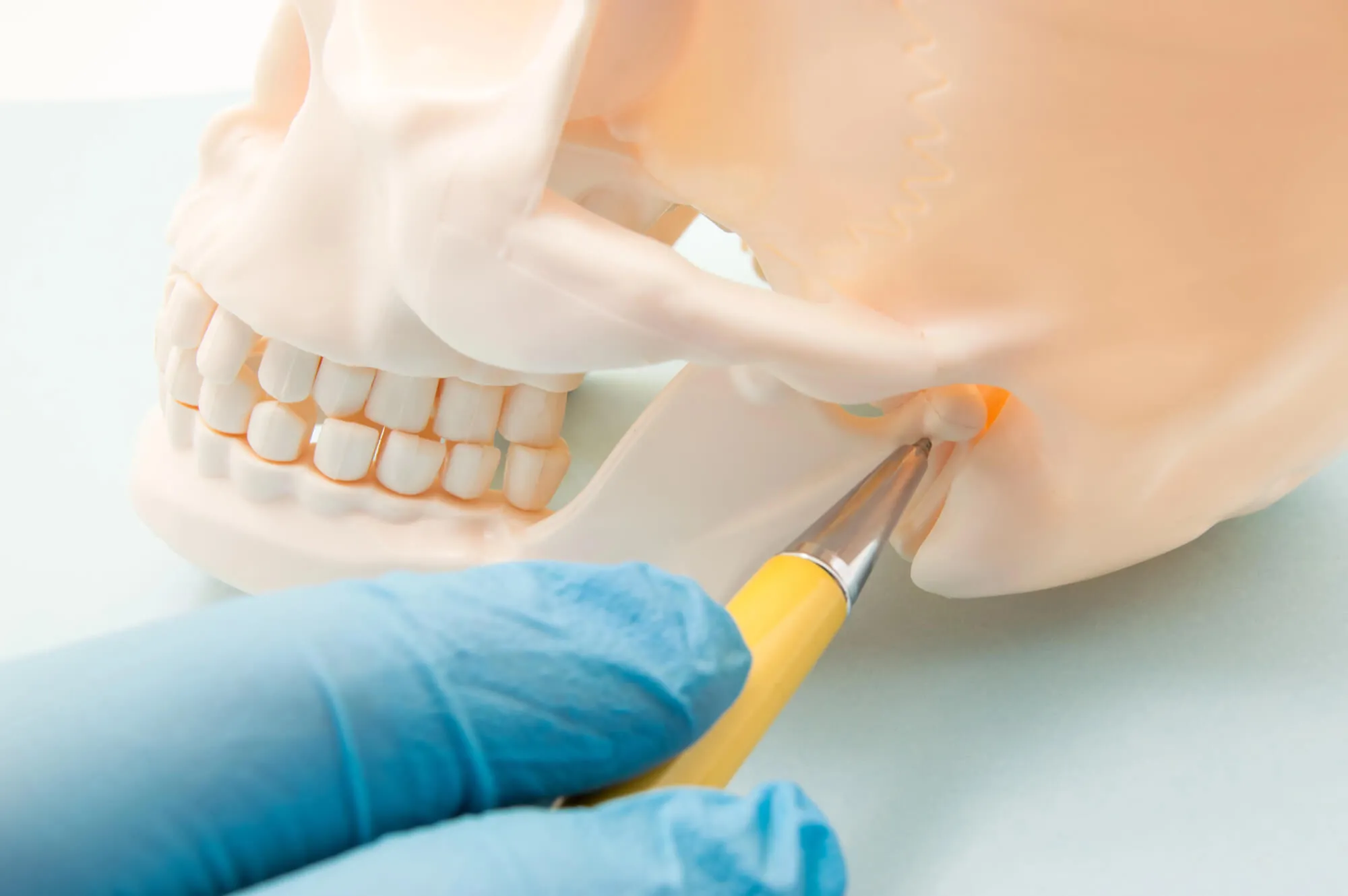
The temporomandibular joints connect your jaw to your skull and allow you to speak, chew, and move your mouth comfortably. When these joints or the surrounding muscles are not functioning properly, a temporomandibular joint disorder (TMJ or TMD) may develop.
Jaw Pain or Tenderness
One of the most common signs is discomfort around the jaw joint. The soreness may affect one or both sides of the face and can become more noticeable while chewing, talking, or opening your mouth wide. Some patients also experience tenderness around the temples or in front of the ears.
Clicking, Popping, or Locking
A clicking or popping sound does not always mean you have TMJ. However, if these sounds occur along with pain, limited movement, or episodes where your jaw feels stuck, it's a good idea to have your jaw evaluated.
Frequent Headaches or Facial Pain
TMJ disorders can place extra strain on the muscles that support your jaw. This tension may contribute to headaches, facial soreness, or discomfort that extends into the neck and shoulders. Because these symptoms can have several causes, an examination helps determine whether the jaw joint is involved.
Difficulty Chewing
If chewing becomes uncomfortable or your bite suddenly feels different, the jaw joint may not be moving as smoothly as it should. Some patients notice fatigue in the jaw muscles after eating foods that require more chewing than usual.
Limited Jaw Movement
You may find it difficult to fully open or close your mouth. Some people notice stiffness first thing in the morning, while others feel restricted movement throughout the day. Limited mobility should be evaluated, especially if it continues or worsens.
What Should You Do If You Notice These Symptoms?
The first step is scheduling a dental evaluation. Your dentist will examine your jaw, review your symptoms, and determine whether TMJ is contributing to your discomfort. Because jaw pain can have different causes, an accurate diagnosis is important before deciding on treatment.
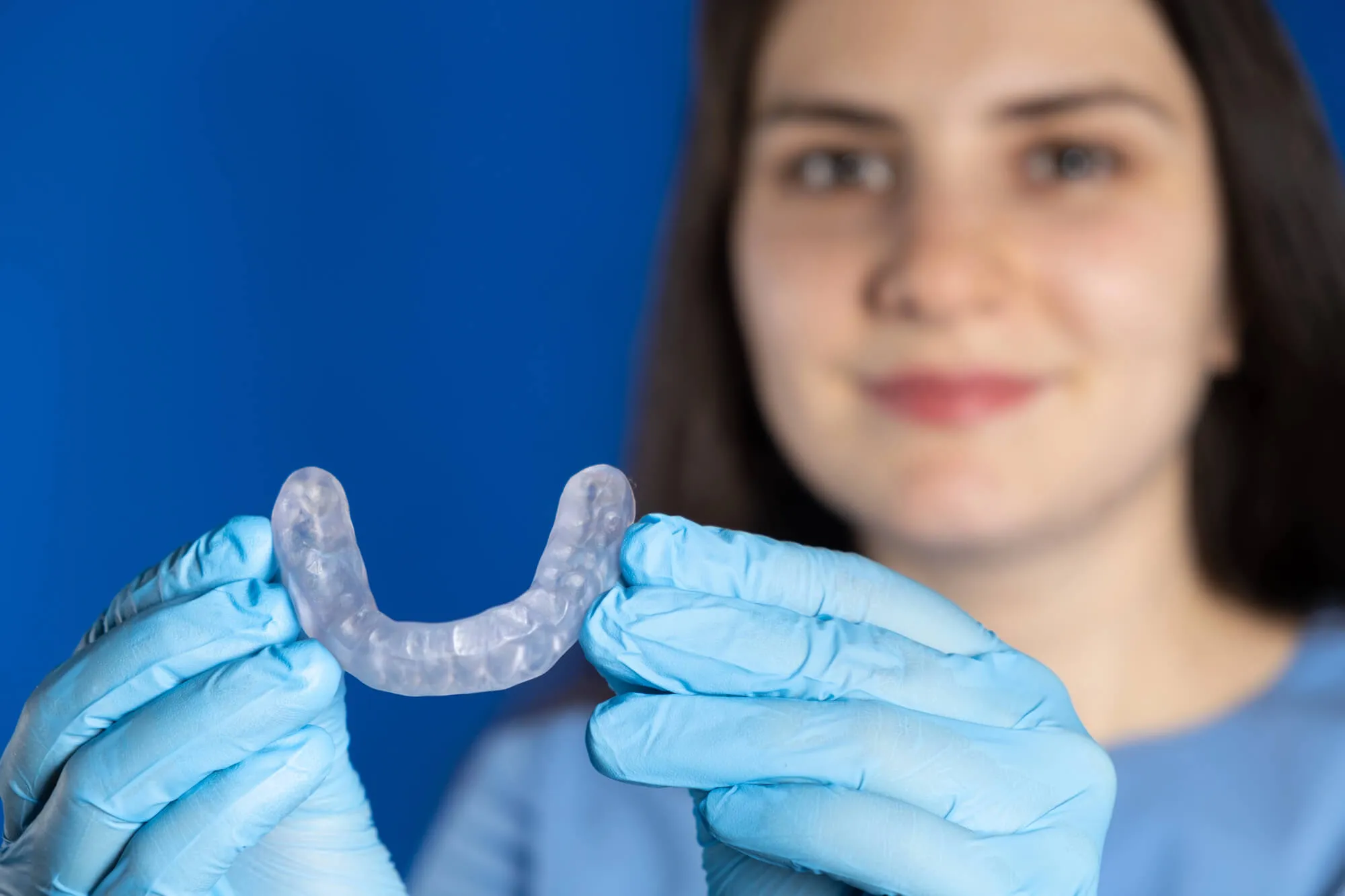
Treatment depends on the underlying cause of your symptoms. For patients who clench or grind their teeth, a custom oral appliance may be recommended to help reduce pressure on the jaw joints and protect the teeth while sleeping.
If your bite is contributing to the problem, bite adjustment (equilibration) may also be considered to improve the way your teeth come together. Your dentist will recommend the treatment that best supports your comfort and long-term oral health.
Are You Looking for TMJ Blue Bell Treatment?
Jaw discomfort doesn't have to become part of your daily routine. Recognizing the signs early allows you to have your symptoms evaluated before they begin interfering with eating, speaking, or other everyday activities.
At Dental Arts of Blue Bell, we focus on providing personalized, conservative dental care that reflects your unique needs. Our team takes the time to get to know you, listen to your concerns, and explain your treatment options so you can feel confident in your care. If you're experiencing symptoms of TMJ Blue Bell patients commonly report, schedule a consultation with us to learn how we can help you find the approach that's right for you.