




Scaling and Root Planing: A Plymouth Meeting Dentist Explains Deep Cleanings
Your dentist says the words "deep cleaning," and your mind starts racing. Does it hurt? Is something wrong with your gums? Will it take the entire afternoon? A new treatment name can sound alarming, especially when your teeth look and feel fine from the outside.
A Plymouth Meeting dentist may suggest scaling and root planing when plaque and tartar settle below your gumline. Knowing what happens before, during, and after the visit makes the whole idea far less intimidating.

What Makes a Deep Cleaning Different?
A regular cleaning focuses on the surfaces of your teeth and the area right at the gumline. A deep cleaning goes further, reaching into the pockets that form between your gums and teeth when gum disease sets in. Bacteria collect in those pockets and harden into tartar that brushing and flossing can't remove.
Signs Your Gums May Need Extra Care
Gum disease often develops quietly, and about four in 10 adults age 30 or older have some level of periodontitis. Watch for these signs:
- Red, swollen, or tender gums
- Bleeding when you brush or floss
- Gums pulling away from your teeth
- Loose or sensitive teeth
- Bad breath that won't go away
How Scaling Works
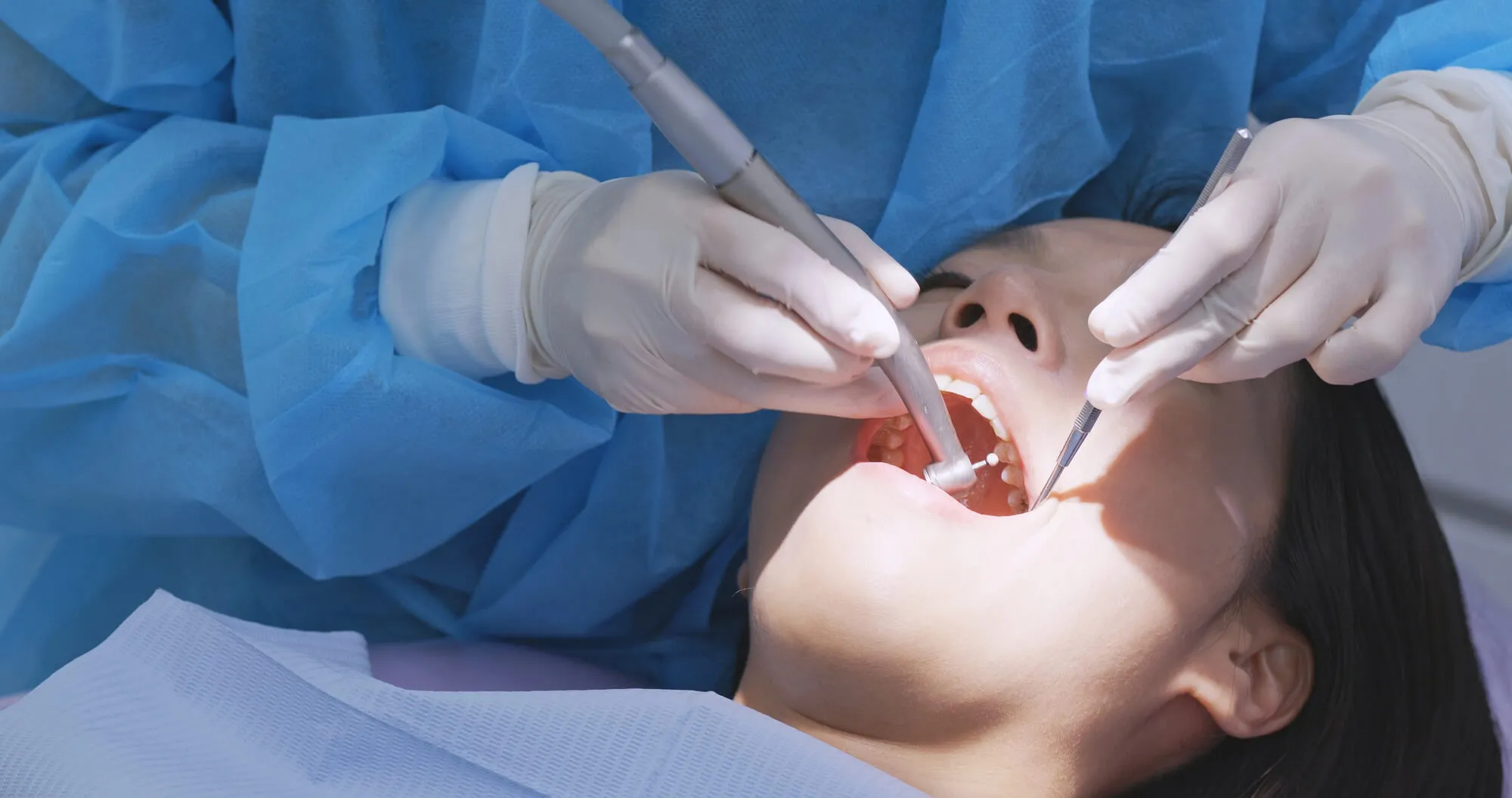
Scaling removes plaque and tartar from your teeth, including the areas below your gums. Your dentist cleans each tooth carefully, working around the gumline and into the pockets where bacteria hide.
What Root Planing Does
The next step smooths the roots of your teeth. Rough root surfaces give bacteria a place to cling. Smoothing them removes bacterial toxins and gives your gums a cleaner surface to heal against.
Will the Treatment Be Comfortable?
Most scaling and root planing visits can be completed comfortably, and your dentist can talk with you about anesthetic and other comfort options. Treatment is often split into several appointments, with one section of your mouth handled at each visit. Asking about gentle dental care options ahead of time can help you feel more relaxed when you go in.
Why Deep Cleanings Matter
The goal is to remove bacteria, plaque, and tartar and halt the progress of gum disease. In advanced cases, gum disease destroys the bone that supports your teeth, which may cause loose or shifting teeth. Some cases benefit from antibiotic treatment alongside the cleaning.
Caring for Your Gums Afterward
Your gums may feel tender for a few days. Brush gently with a soft-bristled toothbrush, floss daily, and keep up with follow-up visits. Regular checkups let your dentist track how your gums respond, and knowing what your dentist looks for during those visits helps you spot changes early.
Frequently Asked Questions
Is deep cleaning the same as regular cleaning?
No. A regular cleaning focuses on tooth surfaces above the gumline; a deep cleaning extends below the gumline to treat gum disease.
How many appointments will I need?
It depends on how much of your mouth needs care. Some treatments wrap up in one visit, while others are split into sections over several appointments.
Does insurance cover scaling and root planing?
Coverage varies by plan. Ask the dental office about your benefits and available payment and financing options.
Get Gentle Deep Cleaning Care from a Plymouth Meeting Dentist
At Dental Arts of Blue Bell, our primary goal is to do what is right for you. Dr. Erika Johnston and our team provide personalized, conservative dental care, so your treatment plan reflects your gum health and comfort level. We take time to explain each step, answer your questions, and help you protect your smile between visits.
Our Blue Bell office is a short drive from Plymouth Meeting, and you can schedule your gum health visit with our team whenever you're ready.