

Porcelain Veneers vs. Dental Bonding: What Is the Difference?
Maybe it's a chipped front tooth you hide in photos or a stubborn stain that whitening won't budge. You want it fixed, but you also wonder how long the result will last, how much of your natural tooth is involved, and whether treatment fits your busy schedule.
Comparing Blue Bell, PA, veneers with dental bonding is a smart place to start. Both treatments can refresh your smile, yet they differ in material, durability, and commitment. Here's how each one works.
Two Smile Fixes, Two Different Approaches
How Porcelain Veneers Work
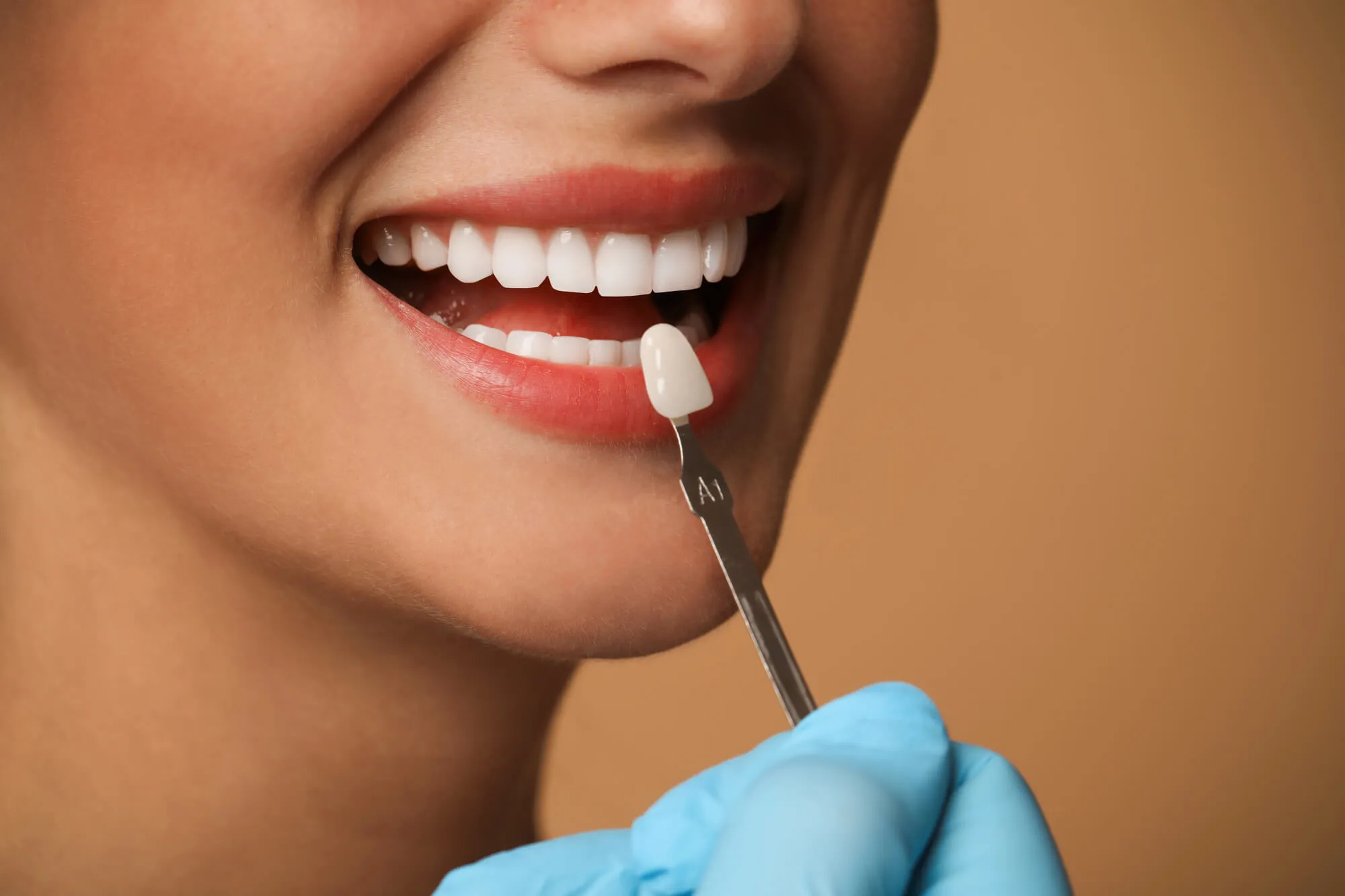
Porcelain veneers are very thin, custom-made shells bonded to the front of your teeth. Porcelain closely matches the color and translucence of natural enamel, and it resists stains, so your smile stays bright.
To make room for each shell, your dentist removes a small amount of enamel. That makes veneers a permanent choice, and the veneer placement process takes more than one visit. Custom dental veneers can cover:
- Severe stains or discoloration
- Gaps and spaces between teeth
- Chipped, worn, or irregularly shaped teeth
- Slightly crooked teeth
How Dental Bonding Works
With bonding, your dentist applies a tooth-colored composite resin directly to your tooth. The resin starts soft and putty-like, so it can be sculpted into shape before hardening, trimming, and polishing.
Bonding usually takes just one visit and needs little to no tooth preparation. It's a great fit for small chips, minor gaps, and misshapen edges. The trade-off? Composite resin is less stain-resistant than porcelain and can chip over time.
Side-by-Side Comparison
- Material: Porcelain shells vs. composite resin
- Tooth preparation: Some enamel removed vs. little to none
- Appointments: Several visits vs. typically one
- Lifespan: About 10 to 20 years vs. about three to 10 years
- Reversibility: Permanent vs. reversible
- Stain resistance: High vs. moderate
Which One Fits Your Smile?
Bonding often makes sense for one or two small flaws, especially if you'd like a quick, conservative fix. Veneers suit bigger changes, like reshaping several front teeth or covering deep discoloration that professional teeth whitening can't lift.
Some smiles benefit from a mix of treatments. Your dentist may pair veneers on your most visible teeth with bonding or cosmetic tooth contouring elsewhere for a balanced, natural-looking result.
Frequently Asked Questions
Does bonding or veneer treatment hurt?
Bonding is a painless procedure for most patients. Veneer prep involves removing a thin layer of enamel, and our gentle team ensures you feel at ease throughout.
Is bonding a good option for a chipped front tooth?
Often, yes. Bonding can repair a small chip in a single visit with a shade-matched resin. A larger break may call for a veneer or a dental crown instead.
How do I care for veneers or bonding?
Brush twice a day, floss daily, and keep up with routine checkups. Skip habits like biting fingernails, chewing ice, or opening packages with your teeth to protect your restorations.

Get Personalized Guidance on Blue Bell, PA, Veneers and Bonding
At Dental Arts of Blue Bell, we believe it's all about you. Dr. Johnston and our team take the time to get to know you, listen to your goals, and recommend personalized, conservative care that fits your smile.
Whether bonding or veneers is the right match, you'll leave with a clear plan and a smile you're excited to share. Request an appointment today, or call us today.