




Invisalign vs. Braces: Which Option Is Right for You?
Straightening your teeth comes with an important choice: clear aligners or traditional braces? You may be thinking about how noticeable treatment will be, whether you can eat your favorite foods, or how much extra work your daily routine will require. Both options move teeth into better positions, but they approach treatment differently.
If you are comparing braces and Invisalign in Blue Bell, considering how each option fits into your daily life can help you prepare for a conversation with your dentist.
How Do Invisalign and Traditional Braces Compare?
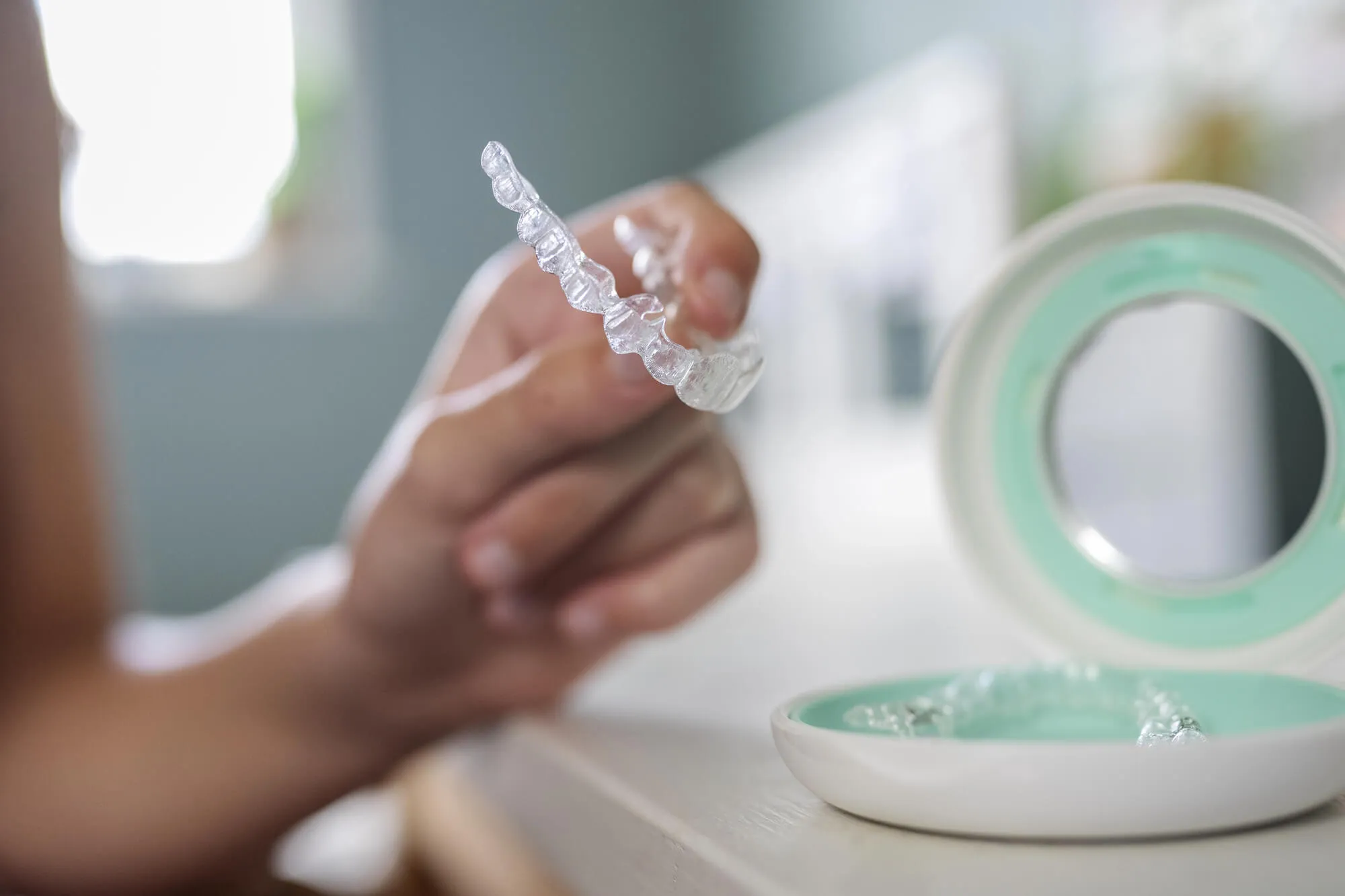
Invisalign® uses a series of clear, removable aligners that gradually reposition your teeth. Traditional braces use brackets and wires that remain attached to the teeth throughout treatment. Your alignment, bite, treatment goals, and ability to follow care instructions can all affect which approach may be appropriate.
Appearance During Treatment
Invisalign aligners are transparent and fit closely over the teeth, making them less noticeable when you smile or speak. This may appeal to adults and teens who prefer a discreet orthodontic option.
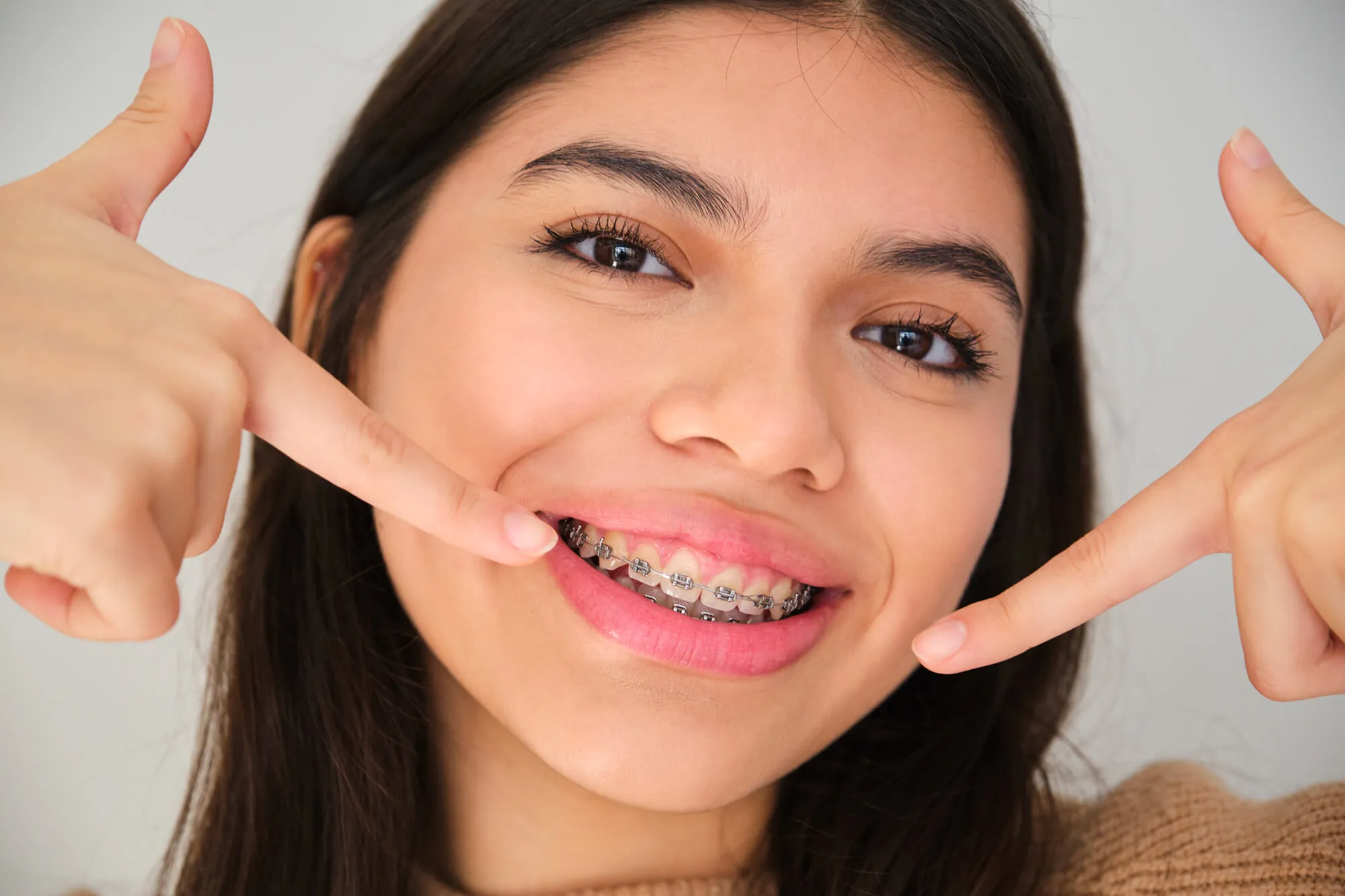
Traditional braces are more visible because brackets and wires are attached to the teeth. Their fixed design means you do not have to remember to put an appliance back in after removing it.
Eating and Drinking
Invisalign aligners are removed for meals, allowing you to continue eating most of the foods you normally enjoy. You should clean your teeth before putting the aligners back in and follow the instructions for daily wear.
Braces remain in place while you eat. Certain hard, sticky, or chewy foods may need to be avoided because they can damage brackets or wires.
Brushing and Flossing
Since Invisalign is removable, you can brush and floss your teeth without having to work around brackets and wires. The aligners themselves also require regular cleaning.
Oral hygiene with braces takes more attention. Food and plaque can collect around brackets, so careful brushing and flossing are important throughout treatment.
Daily Responsibility
Invisalign provides flexibility, but that flexibility comes with responsibility. The aligners need to be worn for the recommended number of hours each day and changed according to your treatment plan.
With braces, the brackets and wires remain in place. Patients still need to attend adjustment appointments and follow instructions to protect their appliances.
Treatment Needs
Invisalign can address several orthodontic concerns, including crooked teeth, crowding, gaps, and certain bite problems. Traditional braces may be recommended in cases that require more complex tooth movement.
Your dentist can evaluate factors such as:
- Tooth alignment and spacing
- Bite problems
- Oral health
- Treatment goals
- Ability to follow daily wear instructions
These factors help determine whether clear aligners are suitable for your case.
Frequently Asked Questions
Is Invisalign faster than braces?
Not always. Treatment length depends on your orthodontic needs, the amount of tooth movement required, and how closely you follow your treatment plan.
Can you eat normally with Invisalign?
Yes. Because the aligners are removed for meals, you can generally eat your usual foods. Brush your teeth before putting them back in.
Do you need a retainer after Invisalign?
Yes. A retainer helps maintain the position of your teeth after active treatment is complete.
Could Invisalign in Blue Bell Be Right for You?
Choosing between Invisalign and braces depends on more than appearance. Your bite, alignment, preferences, and ability to follow treatment instructions should all be considered.
At Dental Arts of Blue Bell, we take the time to listen to your goals and recommend personalized, conservative care tailored to your needs. If you would like to know whether clear aligners are suitable for your smile, schedule a consultation with our team to discuss Invisalign in Blue Bell.
*Invisalign®, the Invisalign logo, and iTero®, among others, are trademarks and/or service marks of Align Technology, Inc. or one of its subsidiaries or affiliated companies and may be registered in the U.S. and/or other countries.